
Adelaide Hall, an American-born jazz singer and entertainer, was a major figure in the Harlem Renaissance, known for her wordless rhythm vocalizing that introduced scat singing. She gained popularity without using words and made a significant impact in the music industry.
Adelaide Hall, an American-born jazz singer and entertainer, was a key figure in the Harlem Renaissance. Known for her wordless rhythm vocalizing, she introduced scat singing and gained popularity without using words. Her contributions to the music industry were significant, making her an important figure in jazz history.
Introduction To Adelaide Hall And Her Influential Career
Adelaide Hall, an influential American jazz singer, was a prominent figure in the Harlem Renaissance. Known for her wordless rhythm vocalizing and scat singing, she left a lasting impact on the music industry.
Background And Early Life Of Adelaide Hall
Adelaide Hall, an American-born, UK-based jazz singer and entertainer, was a major figure in the Harlem Renaissance. Born in Brooklyn, New York, and raised in the vibrant atmosphere of the city, Adelaide's passion for music was ignited at a young age. She discovered her exceptional vocal abilities and started performing in local churches and community events. Her talent and dedication led her to study singing at the Charing Cross Hospital in London, where she met her husband, Bert Hicks.
This early exposure to diverse musical influences and her rigorous training in London shaped Adelaide Hall's distinctive style and paved the way for her illustrious career.
The Rise Of Adelaide Hall In The Jazz Industry
Adelaide Hall's rise in the jazz industry was meteoric. Her breakthrough came when she was discovered by Duke Ellington during his European tour. Ellington was captivated by her mesmerizing voice and rhythmic vocalizing, which introduced a new form of expression known as scat singing. This unique technique, which involved using nonsensical syllables to create intricate melodies and improvisations, revolutionized the jazz genre.
Adelaide Hall's collaboration with renowned musicians like Fats Waller, Louis Armstrong, and Fela Sowande further propelled her career. She became a sought-after performer, captivating audiences with her powerful vocals, engaging stage presence, and ability to effortlessly blend jazz, blues, and swing.
Impact Of Adelaide Hall On The Harlem Renaissance
Adelaide Hall's contributions to the Harlem Renaissance cannot be underestimated. She was an important ambassador for African-American culture, using her talent and influence to challenge racial boundaries and stereotypes. Adelaide Hall's performances at the renowned Cotton Club, alongside prominent artists like Bill Robinson, Cab Calloway, and Florence Mills, brought African-American music into the mainstream, breaking down barriers and fostering cultural appreciation.
Moreover, her activism extended beyond the stage. Adelaide Hall actively supported and raised awareness for black artists and musicians, creating opportunities for them to showcase their talents on a global platform. Her unwavering dedication to equality and social change made her a true icon of the Harlem Renaissance, inspiring future generations of artists to follow in her footsteps.
Adelaide Hall's Contribution To Scat Singing
An American-born, UK-based jazz singer and entertainer, Adelaide Hall was a major figure in the Harlem Renaissance. Her wordless rhythm vocalizing introduced what would be known as scat singing, revolutionizing the jazz music scene in the early 20th century.
Origins Of Scat Singing In Jazz Music
The origins of scat singing can be traced back to the African-American community in New Orleans during the early days of jazz. It emerged as a form of vocal improvisation where singers would use nonsensical syllables and sounds to create rhythmic patterns and melodies in collaboration with instrumentalists. The essence of scat singing lies in the ability of musicians to mimic the sounds and rhythms of the instruments they play with their voice.
Adelaide Hall's Innovative Use Of Wordless Rhythm Vocalizing
Adelaide Hall embraced scat singing and took it to new heights with her innovative use of wordless rhythm vocalizing. With her incredible vocal range and control, she was able to create intricate and captivating melodies using only her voice. Her unique ability to seamlessly blend with the instrumental accompaniment made her performances truly remarkable.
Adelaide Hall's scat singing was characterized by her precision and creativity in improvisation. She effortlessly incorporated syncopated rhythms, melodic lines, and playful vocal textures, elevating the art of scat singing to new levels. Her performances were full of energy and expression, captivating audiences worldwide.
Influence Of Adelaide Hall's Scat Singing On Future Jazz Singers
Adelaide Hall's scat singing had a profound influence on future jazz singers, shaping the course of jazz music for generations to come. Her innovative techniques and musicality inspired countless artists to explore the possibilities of vocal improvisation and scat singing.
Many renowned jazz singers, such as Ella Fitzgerald, Sarah Vaughan, and Betty Carter, credit Adelaide Hall as a major influence in their careers. Her contributions paved the way for the development of scat singing as a recognized and respected vocal technique within the jazz genre.
Through her trailblazing performances and fearless experimentation, Adelaide Hall left an indelible mark on the history of jazz music. Her legacy as a pioneer of scat singing continues to inspire and resonate with musicians and music lovers alike.
Collaborations With Iconic Jazz Musicians
Adelaide Hall, an American jazz singer and entertainer, became renowned for her collaborations with some of the most iconic jazz musicians of her time. These partnerships not only influenced her career, but also left a lasting impact on the jazz genre itself.
Adelaide Hall's Partnership With Fats Waller
One of the most notable collaborations in Adelaide Hall's career was with the legendary jazz pianist and composer, Fats Waller. Together, they created unforgettable music that showcased Hall's exceptional vocal talent and Waller's virtuosic piano skills. Songs like "I Must Have That Man!" and "That Old Feeling" exemplified their incredible chemistry and brought them widespread acclaim.
Influence Of Duke Ellington On Adelaide Hall's Career
No discussion of Adelaide Hall's collaborations would be complete without mentioning her extraordinary partnership with the iconic Duke Ellington. Ellington's impeccable musical arrangements and Hall's soulful vocals blended seamlessly, resulting in timeless hits such as "Creole Love Call." Duke Ellington's influence on Hall's career cannot be overstated, as their collaboration opened doors for her and solidified her place in jazz history.
Collaborations With Other Notable Jazz Musicians
In addition to her partnerships with Fats Waller and Duke Ellington, Adelaide Hall worked with other notable jazz musicians who left an indelible mark on her career. One such collaboration was with the legendary trumpeter and vocalist, Louis Armstrong. Their duet performances showcased their incredible musical chemistry and earned them critical acclaim.
Another noteworthy collaboration in Hall's career was with Fela Sowande, a Nigerian composer and pianist. This partnership exemplified Hall's ability to effortlessly blend musical genres, as they combined elements of jazz and African influences to create a unique and captivating sound.
With each collaboration, Adelaide Hall continued to push the boundaries of what was possible in jazz music, cementing her status as a true trailblazer. Her fearless exploration and partnerships with iconic jazz musicians reshaped the genre and continue to inspire musicians to this day.
Adelaide Hall's Iconic Songs And Performances
Adelaide Hall, an American-born UK-based jazz singer and entertainer, is best known for her contribution to the Harlem Renaissance. Her captivating performances and unforgettable songs continue to leave a lasting impact on the jazz music scene. Let's take a closer look at some of Adelaide Hall's iconic songs and performances that have shaped the world of jazz.
An Analysis Of Adelaide Hall's Popular Songs
Adelaide Hall's repertoire is filled with songs that have garnered acclaim and admiration from audiences around the world. Two of her most notable songs are "I Must Have That Man!" and "Creole Love Call".
- "I Must Have That Man!": This powerful song, composed by Dorothy Fields and Jimmy McHugh, was first performed by Adelaide Hall in the 1928 musical revue Blackbirds of 1928. The song, characterized by its soulful lyrics and Hall's incredible vocal range, became an instant hit and established her as one of the leading jazz vocalists of her time.
- "Creole Love Call": A collaboration between Adelaide Hall and Duke Ellington, this mesmerizing song showcases Hall's ability to effortlessly blend her voice with instrumental melodies. With its lush harmonies and infectious rhythm, "Creole Love Call" remains a timeless jazz classic.
The Impact Of Adelaide Hall's Performances At Renowned Jazz Venues
Adelaide Hall's performances at iconic jazz venues, particularly the Cotton Club, left an indelible mark on the music industry. Her enchanting stage presence and powerful voice mesmerized audiences night after night. The Cotton Club, situated in the heart of Harlem, provided Hall with a platform to showcase her talent alongside legendary musicians such as Duke Ellington, Fats Waller, and Louis Armstrong.
In addition to the Cotton Club, Hall performed at other renowned jazz venues worldwide, including the Savoy Ballroom in New York and the Kit Kat Club in London. Her performances not only captivated audiences but also paved the way for other African-American artists to be recognized and celebrated.
Adelaide Hall's Contribution To The Preservation And Celebration Of Jazz Music
Adelaide Hall's dedication to jazz music extended beyond her performances. She was instrumental in preserving and celebrating the art form that she loved dearly. Hall actively contributed to the jazz community by collaborating with esteemed artists and participating in recordings, ensuring that the legacy of jazz music would be passed down to future generations.
Furthermore, her involvement in various jazz festivals and concerts helped to introduce jazz to new audiences, fostering a greater appreciation and understanding of the genre. Adelaide Hall's unwavering commitment to jazz music has made her an influential figure in the preservation and celebration of this uniquely American art form.
Legacy And Recognition Of Adelaide Hall
Adelaide Hall, an American-born jazz singer and entertainer, left a lasting legacy in the world of music, particularly in jazz. Her contributions and influence have been widely recognized and celebrated, cementing her status as one of the most influential jazz singers of all time.
Recognition Of Adelaide Hall's Contributions To Jazz Music
Adelaide Hall's remarkable talent and unique style of singing revolutionized jazz music. Her iconic wordless rhythm vocalizing, later known as scat singing, became her signature technique and paved the way for future artists. Adelaide's flawless delivery, impeccable pitch, and charm captured the hearts of audiences worldwide, earning her recognition as a trailblazer in the genre.
Adelaide Hall's Influence On Future Generations Of Jazz Singers
The impact of Adelaide Hall's artistry on future generations cannot be overstated. Her innovative approach to jazz singing inspired countless aspiring musicians, shaping the course of jazz music for years to come. Her trailblazing spirit and fearless experimentation continue to be admired and emulated by jazz singers seeking to push the boundaries of the genre.
Adelaide's ability to effortlessly fuse jazz with other musical styles, such as blues and popular music, showcased her versatility and further solidified her influence on future generations. Her vocal range, control, and interpretation of lyrics set a standard that many jazz singers strive to achieve.
Commemorative Events And Media Featuring Adelaide Hall's Legacy
Adelaide Hall's legacy is celebrated through various commemorative events and media, ensuring her contributions to jazz music are never forgotten. One notable tribute to her is the Adelaide Hall Black Plaque Project, which honors her with a commemorative plaque in recognition of her groundbreaking achievements and significant influence on jazz music.
Additionally, Adelaide Hall has been the subject of documentaries, including "Adelaide Hall: American Jazz Singer," which shed light on her life and impact on the jazz scene. These documentaries serve as a reminder of her lasting contributions and inspire new generations to appreciate her talent and legacy.
Furthermore, Adelaide Hall's recordings and performances continue to be featured in music streaming platforms like Spotify and YouTube, making her music accessible to a wider audience. Her timeless classics, such as "I Must Have That Man!" and "That Old Feeling," showcase her vocal prowess and serve as a reminder of her enduring legacy in the jazz world.
Overall, the recognition and celebration of Adelaide Hall's contributions to jazz music are well-deserved. Her innovative style, vocal prowess, and fearless experimentation paved the way for future artists, shaping the genre and inspiring countless musicians. Adelaide Hall's legacy will continue to enchant and inspire jazz enthusiasts for years to come.
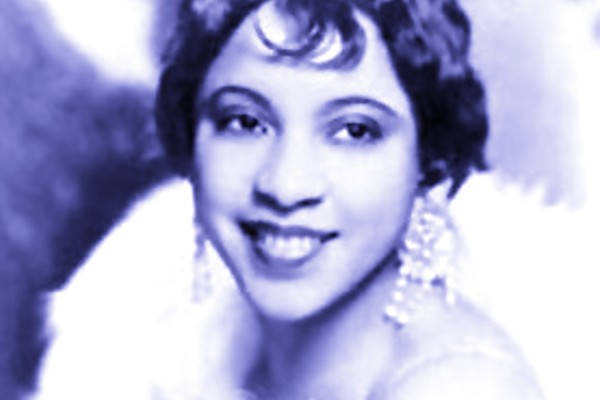
Credit: www.harlemworldmagazine.com
Frequently Asked Questions Of Adelaide Hall
Why Was Adelaide Hall Important?
Adelaide Hall was an important American-born, UK-based jazz singer and entertainer. She was a major figure in the Harlem Renaissance and introduced what is now known as scat singing. Her wordless rhythm vocalizing gained her popularity without using words.
Why Is Adelaide Hall Important To The Harlem Renaissance?
Adelaide Hall was an important figure in the Harlem Renaissance as an American-born, UK-based jazz singer and entertainer. She introduced scat singing with her wordless rhythm vocalizing, gaining popularity without using words. Her contributions played a significant role in the development of jazz music during that era.
When Did Adelaide Hall Go To Harlem?
Adelaide Hall went to Harlem during the Harlem Renaissance, where she became a major figure and introduced scat singing.
How Do You Get Into Adelaide Hall?
To get into Adelaide Hall, located in Austin, Texas, United States, search for the venue online or use Google Maps for directions. It is a popular concert venue and event space featuring live music and talented DJs. Join the vibrant atmosphere and enjoy the performances by local and upcoming artists.
Conclusion
Adelaide Hall, the American jazz singer and entertainer, left an indelible mark on the Harlem Renaissance. With her wordless rhythm vocalizing and scat singing, she pioneered a unique style that captured the hearts of audiences worldwide. Her contributions to the music industry continue to inspire and influence generations of musicians.
Adelaide Hall's legacy will forever be recognized as a major figure in jazz history.


0 Comments